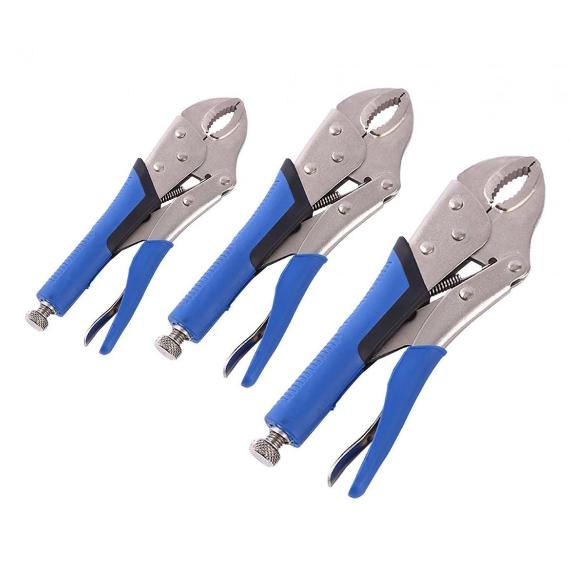
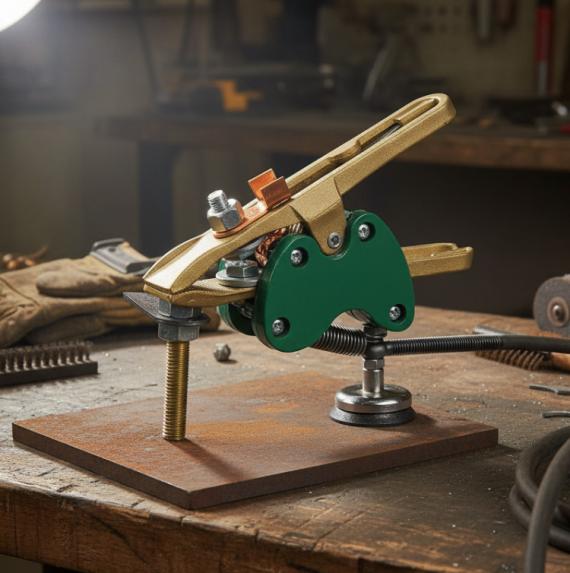
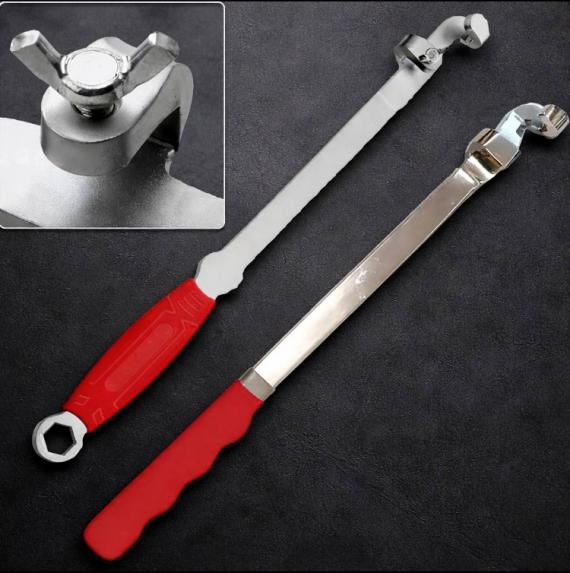
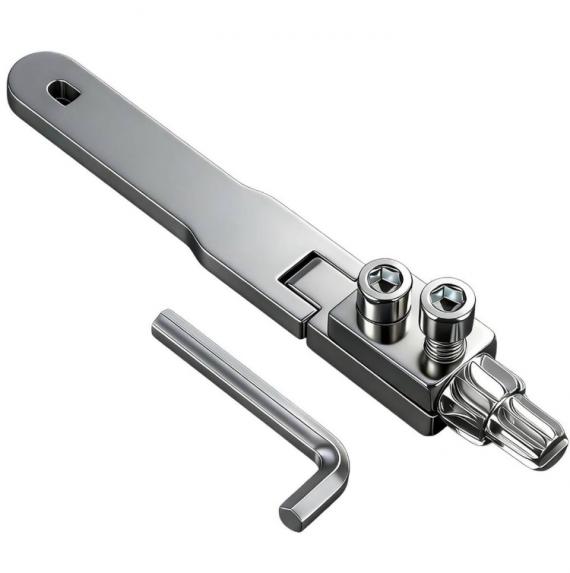
When it comes to precision and accuracy in your woodworking shop or metal fabrication bay, the locking C-clamp is among the most flexible and necessary tools in your workshop arsenal. Frequently called a welding face clamp, the locking C-clamp is a combination of the deep reach of a typical C-clamp along with a fast action locking plier mechanism. The locking C-clamp is so popular due to its ability to create a very tight (high-pressure) grip and still remain flexible and able to accommodate a variety of different materials and thicknesses. To all professionals or enthusiasts who have had trouble maintaining perfect alignment between two pieces when welding or gluing together, this tool was created to help by becoming your "third hand".
A locking C-clamp’s features include a wide, U-shaped jaw system that allows the tool to wrap around obstructions and exert pressure directly to the point of need. In particular, the U-shaped jaws are ideal for ’face clamping’ applications (i.e., clamping two faces of boards together while inserting screws or dowels). Because locking versions of these types of clamps do not require continuous twisting of the threaded rod to lock in place like regular clamps do, users are able to set the desired opening width using a knurled adjustment screw at the end of the handle prior to applying pressure. After setting the desired opening width, the user simply has to squeeze the handles together until the over-center locking mechanism locks the jaws securely closed. Once secured closed, there is no slipping of the jaws regardless of how much vibration there may be from grinding or sawing.
The welding community places a great deal of importance on the overall strength of this type of tool. Locking C-clamps are made out of high-quality heat treated alloy steel, therefore they can withstand extreme temperatures associated with a torch without losing any structural integrity or tension. Another key feature of many locking C-clamps are the swiveling pads located on the ends of each jaw. They allow users to make contact with uneven surfaces or tapered workpieces without damaging them. This is especially important in woodworking because if you were to make metal-to-wood contact you would likely see an indentation in the wood. The swiveling pads also distribute the clamping pressure evenly over a larger surface area allowing the user to avoid marking the wood while simultaneously keeping the two items tightly secured.
Locking C-clamps are generally easy to operate and are ideal for inpiduals working alone. Most versions contain a quick-release lever located at the bottom of one of the handles that will release virtually instantly after the job is completed. Quick release levers are invaluable in large volume shops where time is money. Additionally, since the jaws are adjustable, a single clamp can be used to apply pressure to everything from extremely thin sheets of veneer to large amounts of square tubing steel. Even though they provide tremendous force at full extension, they are designed ergonomically such that releasing the tool does not cause it to spring open rapidly and potentially surprise the operator or damage the workpiece.
To put it succinctly, the locking C-clamp represents an excellent example of a product that offers both raw power and simplicity. It serves as an intermediary between the fragile requirements of the woodworker and the brutal demands of the welder. With its ability to maintain a secure and non-slipping grip that can be easily released in just seconds, it increases both the quality of your final product as well as improves your overall workplace safety. If you’re building cabinets, fixing a fence, or creating custom auto body components, a face welding clamp will give you the control and confidence you need to consistently produce products of professional grade whenever you walk into your shop.
[DISCLOSURE]
I earn from the qualifying purchases as a Amazon Associate.
Ming Tools Store Hinge Hole Opener is a